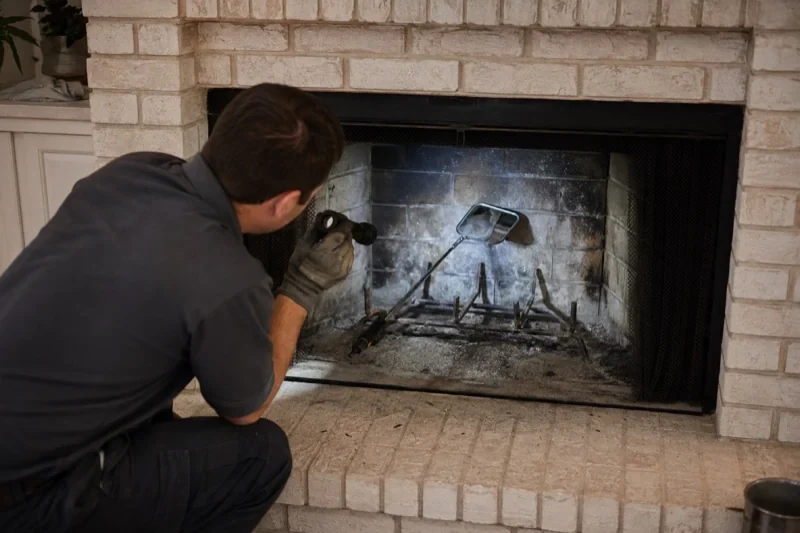
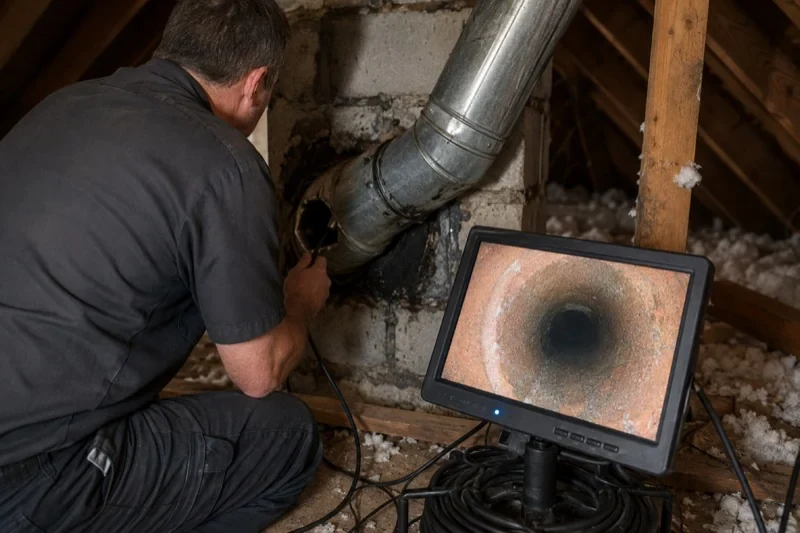
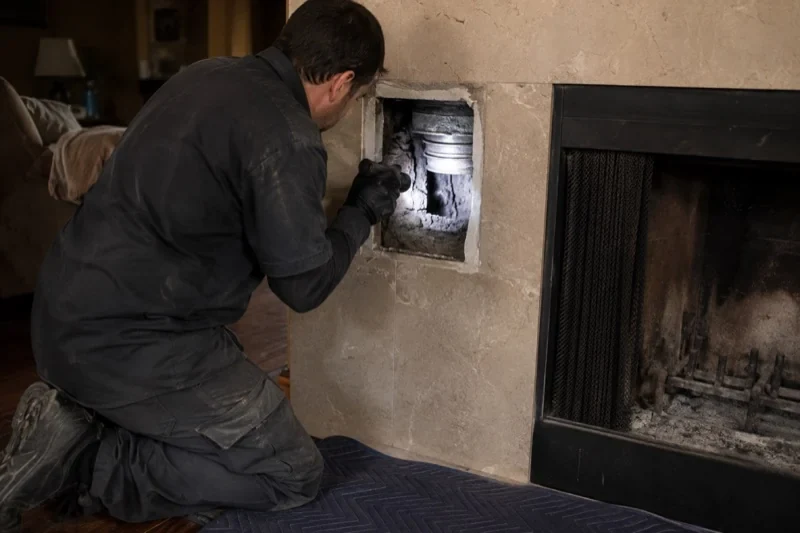
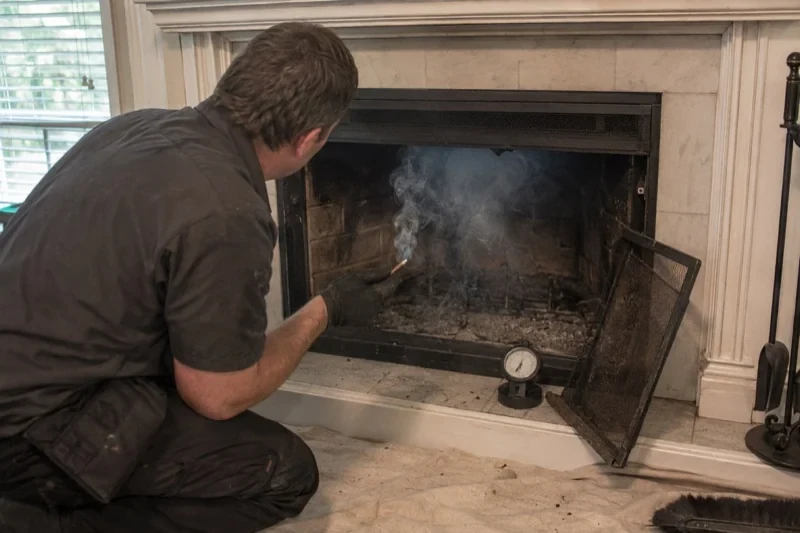
 Service illustration · not a completed customer project
THE WORK, EXPLAINED
Start with the condition.
Understand the scope.
Describe when smoke or operating problems occur and identify the connected appliance. Ask which venting, combustion-air and damper checks are proposed and how the findings will support the next diagnostic or repair step.
What may be involved
- inspection tools
- draft tools
- written findings
Ask the provider to distinguish existing parts to inspect, proposed replacements, and tools, materials or reports included in the service. Confirm the work and exclusions after assessment; this list does not mean that every item will be supplied or replaced.
LOCAL RESEARCH / Miami
Local context
Florida law requires that every separate building, or addition to an existing building, constructed on or after 1 July 2008 that has a fossil-fuel-burning heater or appliance, a fireplace, an attached garage or another feature that emits carbon monoxide as a byproduct of combustion have an approved operational carbon monoxide alarm installed within 10 feet of each room used for sleeping purposes, or at other locations required by the Florida Building Code. The statute states that this does not apply to existing buildings undergoing alterations or repairs unless the alteration is an addition. Raise carbon monoxide alarm placement when fuel-burning appliance or flue work is being discussed, and confirm the current text of the statute and what applies to your building.
Source ↗Area-wide context does not establish the condition of your property or equipment.
Before the visit
If smoke is entering the room, stop using the fireplace and arrange an assessment.